
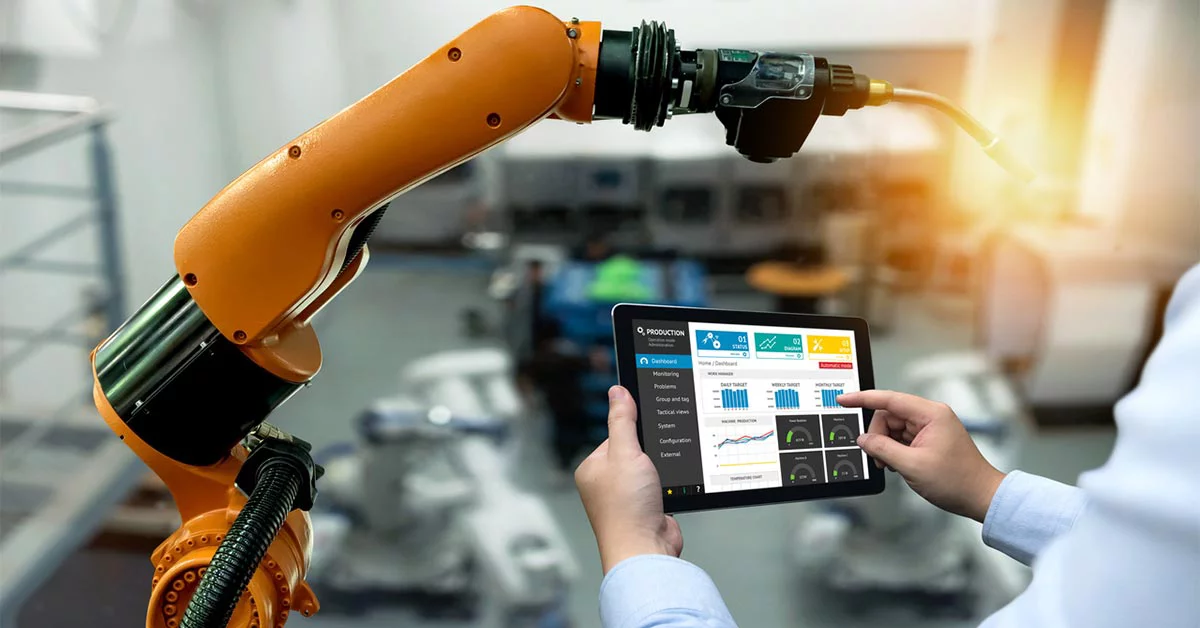
In Singapore’s intricate industrial landscape, HTG technology represents more than mere engineering prowess; it embodies a philosophical approach to pressure management that questions the very nature of industrial constraint and possibility. The city-state’s relationship with high-pressure technology reflects deeper truths about how societies organise themselves around technical mastery and economic imperatives.
Understanding HTG in Singapore’s Context
High-pressure technology systems operate within a framework that demands both technical excellence and ethical consideration. Singapore’s industrial sectors, from petrochemicals to hydrogen fuel systems, depend upon HTG solutions that must navigate between efficiency and environmental responsibility. These systems manage pressures reaching 100,000 PSI, forces that could reshape materials at the molecular level.
The implications extend beyond technical specifications. When we consider HTG applications in hydrogen fuel systems, we witness an industry attempting to reconcile ecological necessity with capitalist production modes. Singapore’s strategic positioning as a clean energy hub relies heavily on these pressure management systems, yet the question remains: do these technologies serve genuine sustainability or merely perpetuate industrial expansion under green rhetoric?
Critical Applications Across Industries
HTG systems find themselves embedded within Singapore’s most consequential industrial processes:
- Hydrogen fuel cell infrastructure supporting the nation’s carbon neutrality aspirations
- Subsea operations connecting Singapore to regional energy networks
- Chemical injection systems managing the complex flows of petrochemical production
- Waterjet cutting applications in precision manufacturing
- Hydrostatic testing ensures safety across multiple industrial domains
“Singapore’s commitment to high-pressure technology reflects our understanding that industrial precision cannot be separated from social responsibility,” explains a senior engineer working within the island’s energy transition initiatives.
Each application carries weight beyond its immediate function. Hydrogen systems, for instance, represent both technological advancement and a form of temporal displacement, promises of future clean energy that may obscure present environmental degradation. The pressure vessels and tubing that make these systems possible become sites where competing visions of industrial futures converge.
Technical Specifications and Social Implications
HTG systems operate across remarkable pressure ranges, from modest 11,500 PSI applications to extreme 150,000 PSI environments. This technical capacity reveals something profound about industrial society’s relationship with controlled violence, for high-pressure systems are, fundamentally, exercises in containing and directing tremendous forces.
Singapore’s regulatory environment reflects this tension. The city-state’s approach to HTG technology balances innovation encouragement with safety imperatives, creating a framework that enables technological advancement whilst acknowledging the potentially catastrophic consequences of system failures.
The materials science underlying HTG systems, stainless steel compositions, specialised alloys designed for extreme conditions, represents centuries of metallurgical knowledge condensed into components no larger than a human hand. Yet these small objects enable massive industrial processes that reshape landscapes and economies.
Quality Standards and Manufacturing Ethics
Professional HTG systems require manufacturing processes that raise questions about labour, materials sourcing, and environmental impact. Singapore’s position as a high-precision manufacturing hub means local facilities must navigate these concerns while maintaining competitive advantages.
Quality assurance for high-pressure technology systems involves testing procedures that themselves consume significant energy and materials. The paradox emerges clearly: ensuring system safety requires processes that may contribute to broader environmental costs.
Material traceability, a standard requirement for HTG components, creates documentation chains that reveal global supply networks. These paper trails expose the distributed nature of contemporary manufacturing, where components bearing Singapore addresses may contain materials extracted, refined, and processed across multiple continents.
Singapore’s Strategic Industrial Position
The island nation’s embrace of HTG technology reflects broader geopolitical calculations about energy security, manufacturing capability, and regional economic positioning. Singapore’s hydrogen infrastructure investments, enabled by high-pressure systems, represent attempts to maintain relevance in a rapidly changing energy landscape.
This positioning carries risks. Dependence upon complex technological systems creates vulnerabilities that extend beyond technical failures to encompass supply chain disruptions, skills shortages, and rapid technological obsolescence. Singapore’s HTG sector must continuously evolve to maintain competitive advantages whilst managing these systemic risks.
Future Considerations and Technological Evolution
Emerging developments in high-pressure technology systems suggest both remarkable possibilities and concerning implications. Advanced materials science promises systems capable of even higher pressures whilst reducing weight and material consumption. Digital monitoring systems enable remote supervision of pressure vessels across vast distances.
Yet these technological advances occur within unchanged economic structures that prioritise growth over sustainability, efficiency over equity. Singapore’s HTG sector must confront these contradictions as it develops next-generation systems.
The question becomes whether HTG technology can evolve to serve genuinely transformative purposes or whether it remains primarily a tool for intensifying existing industrial processes. Singapore’s approach to this challenge will influence regional industrial development patterns for decades.
Conclusion: Pressure, Precision, and Social Responsibility
HTG technology in Singapore operates at the intersection of technical capability, economic necessity, and environmental responsibility. The systems managing extreme pressures across the island’s industrial facilities represent both remarkable human achievement and concerning environmental implications.
As Singapore continues developing its industrial capabilities, the challenge involves ensuring that HTG systems serve broader social goods rather than merely enabling capital accumulation. The future of Singapore’s industrial landscape depends significantly upon the thoughtful deployment of sophisticated HTG tubing.