Category: News

  • Behind the Scenes to the Spotlight: Leon Harris’ Evolution in Broadcast Media

    Behind the Scenes to the Spotlight: Leon Harris’ Evolution in Broadcast Media

    Leon Harris Potomac Maryland career in broadcast media is a testament to dedication, versatility, and a deep understanding of the craft of journalism. From his early days in local news to becoming a nationally recognized anchor, Harris has demonstrated the ability to adapt, grow, and continually elevate the standards of television reporting. His journey reflects both the challenges and rewards of moving from behind-the-scenes roles to the prominent spotlight of national media.

    Early Beginnings in Journalism

    Harris’ interest in media began long before he stepped onto a newsroom set. With a natural curiosity for current events and a talent for storytelling, he pursued education and early career opportunities that laid the foundation for his future success. He started in smaller markets, where he honed essential skills such as reporting, writing, and interviewing. These formative experiences allowed him to understand the mechanics of broadcast journalism, from researching stories to delivering accurate, compelling narratives on air.

    Working in local news required Harris to be versatile. He often wore multiple hats, from producing segments to anchoring them, which gave him insight into both the technical and performance aspects of media production. This period was crucial in shaping his work ethic and attention to detail, qualities that would become hallmarks of his professional identity.

    Transition to National News

    Harris’ transition from local stations to national networks marked a significant turning point. Joining a major network brought new responsibilities and higher visibility. At this level, the audience was broader, and the stakes were higher. Harris quickly established himself as a trusted anchor capable of handling breaking news, political coverage, and in-depth investigative reports.

    His calm demeanor, clear delivery, and thoughtful analysis distinguished him from peers. Audiences and colleagues alike recognized Harris for his ability to remain composed under pressure, a skill essential for live broadcasts where accuracy and timing are critical. This period also provided opportunities to mentor younger reporters and contribute to shaping newsroom standards, further solidifying his influence in the field.

    Coverage of Critical Events

    Throughout his national career, Leon Harris Potomac Maryland covered some of the most significant events of the era. From natural disasters to major political developments, his reporting consistently combined factual accuracy with a human perspective. Harris’ commitment to integrity and thoroughness allowed viewers to trust the news he presented, reinforcing the importance of credibility in broadcast media.

    Beyond delivering information, Harris focused on storytelling that connected with the audience on a personal level. He understood that behind every headline were individuals and communities affected by events. This empathetic approach to journalism helped him maintain a strong rapport with viewers while fulfilling the essential duty of informing the public.

    Beyond Anchoring: Influence and Mentorship

    Harris’ evolution in media extends beyond his on-air presence. He has played a pivotal role in mentoring aspiring journalists, sharing insights on navigating newsroom dynamics and mastering broadcast techniques. His influence has helped shape the next generation of media professionals, emphasizing ethics, clarity, and audience engagement.

    Moreover, Harris embraced opportunities to explore different formats, including interviews, panel discussions, and public speaking engagements. These endeavors allowed him to diversify his skills, reach broader audiences, and adapt to the changing landscape of media consumption.

    Legacy and Continued Impact

    Leon Harris Potomac Maryland journey from behind-the-scenes roles to national prominence demonstrates the blend of talent, perseverance, and adaptability required to thrive in broadcast media. His career reflects a continuous pursuit of excellence, not only in reporting but also in guiding others and maintaining high standards for journalism.

    As the media landscape continues to evolve, Harris’ example serves as a reminder that success is built on a foundation of hard work, ethical reporting, and a commitment to connecting with audiences meaningfully. His evolution in broadcast media is not just a personal achievement—it is a story of how dedication and professionalism can leave a lasting mark on an entire industry.
  • Mastering How To Pump A Presta Valve: Easy And Efficient Techniques

    Mastering How To Pump A Presta Valve: Easy And Efficient Techniques

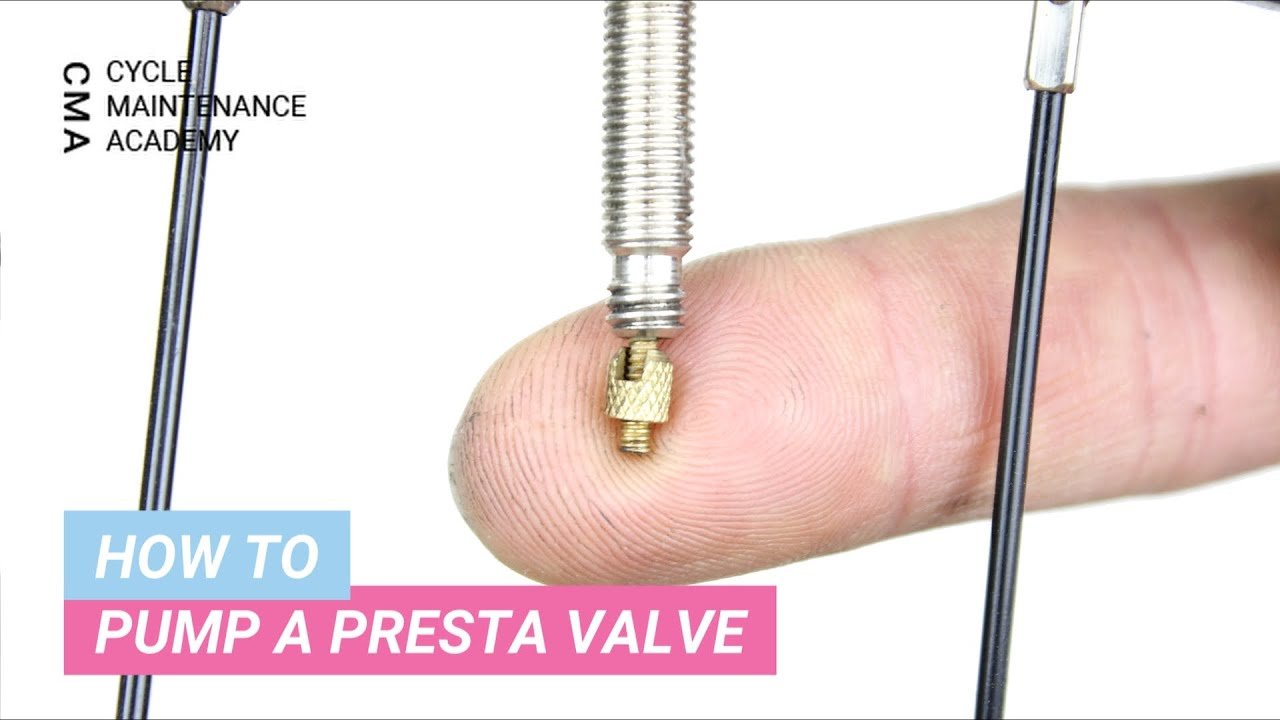
    To pump a presta valve, start by unscrewing the top cap until it’s fully open. Press the pump head onto the valve and secure it in place. Begin pumping to inflate the tire. Presta valves may seem tricky at first, but with the right technique, you’ll master how to pump a presta valve effortlessly.

    Mastering How to Pump a Presta Valve: Easy and Efficient Techniques

    How to Pump a Presta Valve: A Comprehensive Guide

    Welcome, young riders and fellow adventurers! Today, we’re diving into the wonderful world of bike maintenance and learning an essential skill – how to pump a Presta valve. Whether you’re a beginner or just looking to refresh your knowledge, this step-by-step guide will equip you with the confidence to keep your bicycle in top shape. So, grab your pump, let’s get started!

    Understanding the Presta Valve

    Before we delve into the pumping process, let’s get familiar with the Presta valve itself. The Presta valve, also known as a French valve, is a common type of valve found on bicycle tubes. It has a narrow, threaded body with a valve core that needs to be unscrewed before inflating the tire.

    Gathering Your Tools

    First things first, gather your tools. To pump a Presta valve, you’ll need a bicycle pump with a Presta-compatible head, a pressure gauge (optional but recommended), and of course, your trusty bicycle with Presta valves.

    Preparing the Valve

    Now that you have your tools ready, it’s time to prepare the Presta valve for pumping. Here’s a simple step-by-step guide:

    Step 1: Unscrew the Valve Cap

    Start by unscrewing the valve cap, which is the small cap that covers the Presta valve. Keep it in a safe place to avoid losing it.

    Step 2: Loosen the Valve Core

    Next, locate the small nut at the top of the Presta valve. Use your fingers to loosen this nut by turning it counterclockwise. This will open the valve and allow air to flow in when you start pumping.

    Pumping the Presta Valve

    With the valve prepared, it’s time to inflate your tire. Follow these steps to pump a Presta valve like a pro:

    Step 1: Attach the Pump Head

    Take your bicycle pump with a Presta-compatible head. Press the head firmly onto the valve, ensuring a tight seal. If you hear any air leaking, adjust the head until it’s secure.

    Step 2: Inflate the Tire

    Start pumping air into the tire by moving the pump handle up and down. Keep an eye on the pressure gauge if your pump has one, and stop pumping when you reach the desired tire pressure. If you don’t have a gauge, you can estimate the pressure by pressing the tire with your thumb – it should feel firm but still have some give.

    Step 3: Remove the Pump Head

    Once you’ve reached the right pressure, carefully twist and pull the pump head off the Presta valve. You may hear a small rush of air – that’s normal as the pump head detaches.

    Finishing Touches

    After you’ve inflated your tire, there are a few last steps to ensure everything is secure and ready for your next ride:

    Step 1: Tighten the Valve Core

    Using your fingers, tighten the small nut at the top of the Presta valve by turning it clockwise. This will seal the valve and prevent air from escaping.

    Step 2: Replace the Valve Cap

    Don’t forget to screw the valve cap back onto the Presta valve. This will protect the valve from dirt and debris, ensuring it stays in good working condition.

    Practice Makes Perfect!

    Congratulations! You’ve successfully learned how to pump a Presta valve. Remember, practice makes perfect, so don’t be afraid to inflate your tires regularly to keep your bike rolling smoothly. Happy riding!

    Now that you’ve mastered the art of pumping a Presta valve, you’re ready to hit the road with confidence. Remember, proper tire inflation is key to a safe and enjoyable biking experience. So, grab your pump, get those tires rolling, and enjoy the journey ahead!

    Stay tuned for more exciting bike maintenance tips and tricks. Until next time, keep pedaling!

    How To Pump A Presta Valve

    Frequently Asked Questions

    How do I pump a presta valve using a bike pump?

    To pump a presta valve using a bike pump, start by unscrewing the valve cap and then loosening the small nut at the top of the valve. Press the pump head onto the valve ensuring a secure fit. Begin pumping, and you may hear a slight hissing sound as air enters the tire. Inflate the tire to the desired pressure, then remove the pump head by pressing the small nut down and tightening it.

    Can I use a regular pump for inflating a tire with a presta valve?

    Yes, you can use a regular pump for inflating a tire with a presta valve by ensuring the pump head is compatible with presta valves. Most pumps have dual compatibility for both presta and schrader valves. Follow the same steps as you would with a bike pump, ensuring a tight seal between the pump head and the valve to prevent air leaks.

    What should I do if I am having trouble pumping air into a presta valve?

    If you are having trouble pumping air into a presta valve, double-check that the valve is fully open by unscrewing the small nut at the top. Ensure the pump head is securely attached to the valve to prevent air leakage. If the valve continues to resist inflation, you may need to replace the valve core or seek assistance from a bike shop.

    Final Thoughts

    In conclusion, knowing how to pump a presta valve is essential for cyclists. Remember to unscrew the valve nut before attaching the pump head. Gently press down the pump head to secure it on the valve and begin inflating. Finally, remember to screw the valve nut back on securely after pumping. Mastering this simple process will ensure a smooth and efficient inflation of your bike tires.

  • Exploring How Consumers Obtain Energy

    Exploring How Consumers Obtain Energy

    Consumers obtain energy through various sources, from traditional fossil fuels to renewable options like solar and wind power. The process of acquiring energy involves decisions that impact both personal lifestyles and the environment. Understanding how consumers obtain energy is crucial for promoting sustainable practices and reducing the global carbon footprint. Whether it’s through electricity from the grid or self-generated power, the choices we make as consumers play a significant role in shaping the future of energy consumption. By exploring different avenues of obtaining energy, individuals can make informed decisions that align with their values and goals.

    Exploring How Consumers Obtain Energy

    How Do Consumers Obtain Energy?

    Welcome, young readers, to an exciting journey to explore how we, as consumers, obtain the energy we need to power our homes, schools, and all the fun gadgets we use every day. Energy is all around us, and understanding where it comes from and how we get it is super interesting!

    What is Energy?

    Before we dive into how we get energy, let’s first understand what energy is. Energy is the ability to do work. It’s what makes things happen, like moving a toy car or lighting up a room. There are different forms of energy, such as electrical energy, heat energy, and light energy.

    Types of Energy Sources

    There are various sources from which we obtain energy. Let’s take a look at the most common ones:

    1. Fossil Fuels

    Fossil fuels, like coal, oil, and natural gas, are created from ancient plants and animals. These fuels are burned to produce electricity that powers our homes, schools, and more. However, burning fossil fuels can harm the environment by releasing pollution into the air.

    2. Renewable Energy

    Renewable energy comes from sources that are constantly replenished, such as sunlight, wind, and water. Solar panels capture sunlight to generate electricity, wind turbines harness the power of the wind, and hydroelectric dams use water to create energy. Renewable energy is clean and helps protect our planet.

    3. Nuclear Energy

    Nuclear energy is produced by splitting atoms in a process called nuclear fission. This releases a lot of energy that can be used to generate electricity. Nuclear power plants produce a significant amount of electricity, but handling nuclear materials requires great care due to their potential dangers.

    How Energy Reaches Our Homes

    Once energy is generated, it needs to travel from where it’s produced to our homes. Let’s see how this journey happens:

    1. Power Plants

    Power plants are where electricity is generated. They can be fueled by coal, natural gas, nuclear materials, or renewable sources like the sun and wind. These plants use turbines to convert energy into electricity.

    2. Transmission Lines

    After electricity is generated, it travels through transmission lines to reach different areas. These high-voltage lines are like highways for electricity, carrying it across cities and states to where it’s needed most.

    3. Substations

    Substations are like electrical switchyards that help control the flow of electricity. They can boost the voltage of electricity for long-distance travel or lower it for local distribution to homes and buildings.

    4. Transformers

    Transformers are devices that change the voltage of electricity. This ensures that the electricity reaching our homes is at the right level to power our appliances and gadgets safely.

    Using Energy Wisely

    When we use energy, it’s essential to be mindful of how much we’re using and try to use it wisely. Here are some tips on how we can be energy-efficient:

    1. Turn Off Lights

    Remember to turn off lights when you leave a room. Lighting accounts for a significant portion of energy consumption in homes.

    2. Unplug Devices

    Even when devices are turned off, they can still use energy if they’re plugged in. Unplug chargers and electronics when you’re not using them.

    3. Use Energy-Efficient Appliances

    Look for appliances with the ENERGY STAR label as they are designed to be more energy-efficient, saving electricity and money in the long run.

    4. Choose Renewable Energy

    Support renewable energy sources by using solar-powered gadgets or advocating for clean energy initiatives in your community.

    Energy is a fascinating and essential part of our daily lives. By understanding where our energy comes from and how we can use it wisely, we become smart consumers who care for our planet and future generations. Remember, every little effort counts in conserving energy and protecting our environment!

    Thank you for joining us on this enlightening journey on how consumers obtain energy. Stay curious and keep exploring the wonders of the world around us!

    How Do Consumers Get Energy? – Ecosystem Essentials

    Frequently Asked Questions

    How can consumers obtain energy for their everyday needs?

    Consumers can obtain energy through various sources such as electricity, gas, and renewable energy options like solar and wind power. They can access these energy sources through utility companies, energy suppliers, or by installing renewable energy systems on their properties.

    What are the common methods consumers use to access electricity for their homes?

    Consumers typically obtain electricity for their homes by connecting to the electrical grid provided by utility companies. This grid distributes electricity generated from power plants, which is then transmitted to homes and businesses through power lines. Consumers pay for the electricity they use based on their consumption.

    How do consumers acquire gas for heating and cooking purposes?

    Consumers can acquire gas for heating and cooking purposes by connecting to natural gas pipelines or purchasing propane tanks for areas not served by natural gas. The gas is then delivered to the consumer’s property through pipelines or tanks, and it is used for heating homes, water, and cooking food.

    Final Thoughts

    In conclusion, consumers obtain energy through various sources such as fossil fuels, renewable energy, and electricity grid. It is crucial for consumers to make informed choices to support sustainable practices. Understanding the environmental impact of energy consumption is key. By exploring alternative energy options and embracing energy-efficient technologies, consumers can contribute to a more sustainable future. So, how do consumers obtain energy? By being mindful of their choices and striving for a greener lifestyle, consumers can make a positive impact on the environment.

  • Answered: How Many Day Is 72 Hours: Explanation And Examples

    Answered: How Many Day Is 72 Hours: Explanation And Examples

    72 hours is equivalent to 3 days. Understanding the relationship between hours and days is crucial in managing time effectively. Many individuals often wonder about the conversion from hours to days, and today, we will delve into the topic of how many day is 72 hours. By the end of this article, you will have a clear grasp of this concept and be able to apply it in your daily routine. Let’s explore this interesting aspect of time measurement together.

    Answered: How Many Day Is 72 Hours: Explanation and Examples

    How Many Days is 72 Hours?

    Welcome, curious minds! Have you ever found yourself counting the hours in a day and wondering how many days 72 hours really is? Well, you’re in the right place! In this article, we’re going to dive deep into the world of timekeeping and explore the answer to the age-old question – how many days is 72 hours?

    Understanding Hours, Days, and Time

    Before we unravel the mystery of 72 hours, let’s take a moment to understand the basics of time measurement. Time is divided into various units, with hours and days being two commonly used units.

    An hour is a shorter unit of time, consisting of 60 minutes. We often use hours to measure shorter periods of time, like how long it takes to finish homework or watch your favorite TV show.

    On the other hand, a day is a larger unit of time, made up of 24 hours. Days are used to measure longer periods, like how many days until your birthday or how many days are in a week.

    Breaking Down 72 Hours

    Now, let’s tackle the big question – how many days is 72 hours? To figure this out, we need to divide 72 hours by the number of hours in a day, which is 24.

    When we do the math, 72 hours ÷ 24 hours/day = 3 days. So, the answer is simple – 72 hours is equal to 3 days!

    Practical Examples

    Let’s put this newfound knowledge into practice with some examples that will help you visualize the concept of 72 hours equaling 3 days.

    Example 1: School Week

    Imagine you have 72 hours to complete a school project. If you start on Monday morning and work continuously for 72 hours, you will finish your project by Thursday morning. That’s 3 days of hard work!

    Example 2: Video Game Challenge

    If you’re a gaming enthusiast and decide to embark on a 72-hour gaming marathon, you would start on Friday evening and play non-stop until Monday evening. By the time you finish, it will be 3 days later!

    Time Conversions

    Understanding how to convert hours to days and vice versa can come in handy in various real-life situations. Whether you’re planning your study schedule, organizing an event, or simply curious about time, knowing these conversions can be useful.

    Remember, 1 day equals 24 hours, and 1 hour is equal to 1/24 of a day. So, if you ever need to convert between hours and days, you can use these simple calculations to make your life easier!

    And there you have it, dear readers! The mystery of how many days 72 hours is has been revealed – it’s 3 days. Time is a fascinating concept that governs our daily lives, and understanding how it’s divided into units like hours and days can help us manage our time more efficiently.

    Next time you find yourself pondering the passage of time, remember this simple conversion. Whether you’re planning a project, scheduling your day, or just curious about the world around you, knowing how to convert hours to days will surely come in handy!

    Keep exploring the wonders of time, and remember, every hour counts towards making the most of your days!

    72-Hour Fasting Benefits on the Immune System

    Frequently Asked Questions

    How many days is 72 hours?

    72 hours is equivalent to 3 days. Each day consists of 24 hours, so when you have 72 hours, you can divide it by 24 to get the number of days.

    Can 72 hours be converted into a different time unit?

    Yes, 72 hours can also be expressed as 4,320 minutes or 259,200 seconds when converted into minutes or seconds respectively. This conversion can be useful when working with different units of time.

    Why is it important to understand the relationship between hours and days?

    Understanding the relationship between hours and days is important for scheduling and planning tasks. It helps in organizing activities efficiently and ensuring deadlines are met. Knowing that 72 hours is equal to 3 days allows for better time management.

    Final Thoughts

    In conclusion, it’s important to remember that 72 hours equates to 3 days. Understanding this simple conversion can help in planning and organizing tasks efficiently. Utilizing the knowledge of how many days 72 hours consist of can enhance time management skills and improve productivity. So, the next time you come across the question “how many day is 72 hours,” you’ll know the answer instantly.

  • Master The Art Of Cooking Weisswurst In 6 Simple Steps

    Master The Art Of Cooking Weisswurst In 6 Simple Steps

    To cook weisswurst, simmer in hot water for about 10 minutes until heated through. The delicate flavors of this traditional Bavarian sausage are a delight for the taste buds. Serve alongside a pretzel and sweet mustard for an authentic experience. Learn how to cook weisswurst perfectly every time with these simple steps.

    Master the Art of Cooking Weisswurst in 6 Simple Steps

    How to Cook Weisswurst: A Delicious Bavarian Sausage Delight

    Welcome to our guide on how to cook one of the most beloved sausages in Bavarian cuisine – the Weisswurst. If you’re a fan of German food or just looking to expand your culinary horizons, learning how to cook Weisswurst is a must! In this comprehensive guide, we’ll take you through everything you need to know to prepare, cook, and enjoy this delectable sausage.

    The History of Weisswurst

    Before we dive into the cooking process, let’s take a moment to appreciate the history of Weisswurst. Originating in Munich, Germany, in the early 19th century, Weisswurst quickly became a staple of Bavarian cuisine. Its name, which translates to “white sausage,” comes from its pale color, a result of the unique blend of ingredients used in its making.

    Traditionally, Weisswurst was created as a breakfast food, enjoyed with sweet mustard and pretzels. Today, it’s served throughout the day in beer gardens, restaurants, and homes across Bavaria. Its delicate flavor and smooth texture make it a favorite among locals and visitors alike.

    Ingredients You’ll Need

    Before you start cooking Weisswurst, make sure you have the following ingredients on hand:

    1. Weisswurst:

    The star of the show! You can typically find Weisswurst at German delis or specialty grocery stores. Look for fresh, high-quality sausages for the best results.

    2. Water:

    You’ll need water to poach the Weisswurst, which helps retain its signature flavor and texture.

    3. Sweet Mustard:

    A traditional accompaniment to Weisswurst, sweet mustard adds a tangy kick to the dish.

    4. Pretzels:

    For an authentic Bavarian experience, serve your cooked Weisswurst with soft pretzels on the side.

    Step-by-Step Cooking Instructions

    Now that you have all the ingredients ready, let’s get cooking! Follow these simple steps to prepare delicious Weisswurst at home:

    Step 1: Bring Water to a Simmer

    Fill a large pot with water and bring it to a gentle simmer over medium heat. Make sure there’s enough water to fully submerge the Weisswurst.

    Step 2: Add Weisswurst to the Water

    Once the water is simmering, carefully add the Weisswurst to the pot. Avoid overcrowding the sausages, as they need space to cook evenly.

    Step 3: Poach the Weisswurst

    Let the Weisswurst poach in the simmering water for about 10-15 minutes. Keep an eye on the pot and adjust the heat as needed to maintain a gentle simmer.

    Step 4: Check for Doneness

    To ensure the Weisswurst is fully cooked, use a meat thermometer to check that the internal temperature reaches 160°F (71°C).

    Step 5: Remove Weisswurst from Water

    Once cooked, remove the Weisswurst from the water using tongs or a slotted spoon. Place them on a plate lined with paper towels to drain excess moisture.

    Step 6: Serve and Enjoy

    Now comes the best part – serving and enjoying your freshly cooked Weisswurst! Serve the sausages with sweet mustard and pretzels for an authentic Bavarian meal.

    Tips for Serving Weisswurst

    To take your Weisswurst experience to the next level, consider the following tips:

    1. Pair with Beer:

    For a true Bavarian feast, pair your Weisswurst with a cold glass of German beer. The combination of flavors is unbeatable!

    2. Add Sauerkraut:

    For a classic accompaniment, serve your Weisswurst with tangy sauerkraut. The sourness of the sauerkraut complements the mildness of the sausage perfectly.

    3. Try Different Mustards:

    While sweet mustard is traditional, feel free to experiment with different mustard varieties to find your favorite pairing.

    Congratulations, you’ve now mastered the art of cooking Weisswurst! Whether you’re hosting a Bavarian-themed dinner party or simply craving a taste of Germany, this versatile sausage is sure to delight your taste buds. Remember to source high-quality ingredients, follow our step-by-step instructions, and don’t forget the sweet mustard and pretzels for the full experience. Prost (cheers) to enjoying delicious Weisswurst!

    How To Cook And Eat Weisswurst

    Frequently Asked Questions

    How do I cook weisswurst?

    To cook weisswurst, start by bringing a pot of water to a gentle simmer, not a rolling boil. Add the weisswurst to the water and let them simmer for about 10-15 minutes. Avoid boiling them vigorously to prevent the sausages from bursting. Once cooked, remove them from the water using tongs or a slotted spoon.

    Can I pan-fry weisswurst instead of boiling them?

    Yes, you can pan-fry weisswurst instead of boiling them. Heat a skillet over medium heat and add a bit of oil. Place the weisswurst in the skillet and cook for about 5-7 minutes, turning occasionally until all sides are browned and the sausages are heated through.

    Should I remove the casing before cooking weisswurst?

    No, it’s not necessary to remove the casing before cooking weisswurst. The casing helps to keep the sausages intact during cooking. Simply cook them as they are, and the casing can be easily removed before eating if desired.

    Final Thoughts

    To cook weisswurst, start by simmering them in hot, but not boiling, water for about 10 minutes. Avoid boiling to prevent the casings from splitting. Once cooked, remove from the water and serve immediately. Garnish with sweet mustard and pretzels for an authentic Bavarian experience. Enjoy the delicious flavor and delicate texture of weisswurst. Mastering how to cook weisswurst will delight your taste buds with this traditional German dish.

  • Cost Of Ingrown Toenail Removal: How Much Does It Cost?

    Cost Of Ingrown Toenail Removal: How Much Does It Cost?

    Getting an ingrown toenail removed can be a relief from pain and discomfort. The cost varies depending on factors like the severity of the condition and where the procedure is performed. Typically, the price ranges from $250 to $500. It’s essential to consider the quality of care alongside the cost when seeking treatment for an ingrown toenail. Understanding how much does it cost to get an ingrown toenail removed can help you plan and make informed decisions for your health.

    Cost of Ingrown Toenail Removal: How Much Does It Cost?

    How Much Does It Cost to Get an Ingrown Toenail Removed?

    Have you ever experienced the discomfort of an ingrown toenail? It can be painful and bothersome, making it difficult to walk or wear shoes comfortably. In some cases, an ingrown toenail may require professional treatment to alleviate the pain and prevent infection. But how much does it cost to get an ingrown toenail removed? Let’s dive into the details to help you understand the expenses involved.

    Understanding Ingrown Toenails

    Before we discuss the cost of getting an ingrown toenail removed, let’s take a moment to understand what an ingrown toenail is. An ingrown toenail occurs when the edge of the nail grows into the skin surrounding the nail bed, leading to pain, redness, swelling, and sometimes infection. Ingrown toenails are common and can be caused by various factors such as improper nail trimming, wearing tight shoes, or injury to the toe.

    Treatment Options for Ingrown Toenails

    When faced with an ingrown toenail, there are several treatment options available, depending on the severity of the condition. Mild cases of ingrown toenails can often be managed at home with proper care, such as soaking the foot in warm water and gently lifting the nail. However, if the ingrown toenail is causing significant pain or signs of infection, it may be necessary to seek professional treatment.

    1. Podiatrist Consultation

    If you decide to see a podiatrist for your ingrown toenail, the first step is usually a consultation to assess the condition of your toe. During the consultation, the podiatrist will examine the ingrown toenail, determine the best course of treatment, and provide you with an estimate of the cost involved. The cost of a podiatrist consultation for an ingrown toenail can vary depending on factors such as the location of the practice and the expertise of the podiatrist.

    2. Surgical Removal

    In cases where conservative treatments are ineffective or the ingrown toenail is severe, surgical removal may be necessary. The cost of surgical removal of an ingrown toenail can also vary based on factors such as the complexity of the procedure, the need for anesthesia, and the facility where the surgery is performed. It’s important to discuss the cost of the procedure with your healthcare provider and inquire about any additional fees that may apply.

    Factors Affecting the Cost of Ingrown Toenail Removal

    When determining how much it costs to get an ingrown toenail removed, there are several factors to consider that can impact the overall expense:

    1. Severity of the Ingrown Toenail: The severity of the ingrown toenail and the required treatment will influence the cost of removal. Minor cases may be less expensive to treat compared to severe, chronic ingrown toenails.

    2. Healthcare Provider Fees: The fees charged by healthcare providers, such as podiatrists or foot specialists, can vary based on their experience, location, and the complexity of the procedure.

    3. Surgical Facility Costs: If surgical removal is required, the cost may also include fees for using the surgical facility, anesthesia, and any additional services provided during the procedure.

    Insurance Coverage for Ingrown Toenail Removal

    When considering the cost of getting an ingrown toenail removed, it’s important to check if your health insurance covers the procedure. Some insurance plans may cover the cost of ingrown toenail removal, especially if it is deemed medically necessary to prevent infection or complications. Be sure to contact your insurance provider to understand your coverage and any out-of-pocket expenses you may incur.

    Dealing with an ingrown toenail can be uncomfortable and sometimes requires professional treatment to alleviate the pain and prevent infections. The cost of getting an ingrown toenail removed can vary depending on factors such as the severity of the condition, the treatment required, and the healthcare provider’s fees. If you’re experiencing persistent pain or signs of infection from an ingrown toenail, it’s best to consult with a healthcare provider to discuss your options and understand the cost involved.

    Remember, taking care of your feet and practicing proper nail hygiene can help prevent ingrown toenails in the future. If you have any concerns about your toe health, don’t hesitate to seek professional advice for the best course of treatment.

    Stay informed and take care of your toes!

    Ingrown Toenail Removal Surgery Video | Permanent, Cosmetic Procedure

    Frequently Asked Questions

    What factors determine the cost of ingrown toenail removal?

    The cost of ingrown toenail removal may vary based on factors such as the severity of the ingrown nail, the healthcare provider’s fees, the complexity of the procedure, and whether insurance coverage is applicable.

    Is ingrown toenail removal covered by insurance?

    In some cases, insurance may cover a portion of the cost of ingrown toenail removal if it is deemed medically necessary. It is recommended to check with your insurance provider to understand the coverage and any out-of-pocket expenses.

    Are there additional costs associated with ingrown toenail removal?

    In addition to the procedure itself, there may be additional costs related to consultations, follow-up appointments, medications, or any necessary tests or x-rays. These additional costs should be discussed with your healthcare provider beforehand.

    Can the cost of ingrown toenail removal be different for each individual?

    Yes, the cost of ingrown toenail removal can vary from person to person depending on individual circumstances such as the specific treatment needed, the healthcare provider chosen, and any underlying medical conditions that may impact the procedure.

    Final Thoughts

    Getting an ingrown toenail removed can range from $250 to $500, depending on factors like the severity of the condition and location. Additional costs may include consultations and follow-up visits. It is essential to consult a healthcare provider to determine the exact cost. Factors such as insurance coverage and healthcare facilities can also influence the overall cost of getting an ingrown toenail removed. Always inquire about the total cost before proceeding with the procedure to avoid any unexpected expenses.

  • Effective Ways To Get Rid Of Blue Jays – Expert Tips

    Effective Ways To Get Rid Of Blue Jays – Expert Tips

    To effectively get rid of blue jays, a combination of humane deterrent methods is key. These strikingly beautiful birds can become a nuisance when they disrupt other wildlife or invade your space. Understanding their behavior is the first step in managing their presence. By implementing visual deterrents, such as scare tactics or predator decoys, you can encourage blue jays to move on to a more suitable habitat. Additionally, minimizing food sources and sealing off potential nesting spots can further discourage their presence. Ready to reclaim your outdoor space from these feathered visitors? Let’s dive into effective ways on how to get rid of blue jays.

    Effective Ways to Get Rid of Blue Jays - Expert Tips

    Effective Ways to Get Rid of Blue Jays from Your Yard

    Do you find yourself frustrated by the constant presence of blue jays in your yard, disrupting the peace and causing mischief? Blue jays are known for their beautiful appearance but can be quite a nuisance when they start invading your space. In this comprehensive guide, we will explore various methods on how to effectively get rid of blue jays from your yard without causing harm to these feathered creatures.

    The Behavior of Blue Jays

    Before we delve into the methods of deterring blue jays, it’s essential to understand a bit about their behavior. Blue jays are intelligent and resourceful birds that are attracted to food sources like bird feeders, fruits, and insects in your yard. They are also territorial creatures that can become aggressive towards other bird species.

    1. Remove Food Sources

    One of the most effective ways to discourage blue jays from frequenting your yard is to eliminate food sources that attract them. Ensure that bird feeders are designed to prevent larger birds like blue jays from accessing the seeds. Consider switching to seed types that are less appealing to blue jays, such as safflower seeds.

    2. Scare Tactics

    Scare tactics can be an efficient method to deter blue jays from your yard. Installing scarecrows, hanging shiny objects like CDs or reflective tape, or using motion-activated devices that emit sounds can startle blue jays and make them reluctant to return.

    Creating a Hostile Environment for Blue Jays

    1. Modify Your Yard

    Blue jays prefer open spaces where they can easily spot potential threats or predators. By planting dense shrubs and bushes, you can create an environment that is less favorable for blue jays to hang around.

    2. Predatory Decoys

    The presence of predatory decoys like plastic owls or hawk models can mimic natural predators of blue jays and discourage them from entering your yard. Ensure to move the decoys around occasionally to maintain their effectiveness.

    Protecting Your Garden from Blue Jays

    1. Netting and Covers

    If blue jays are targeting your fruits and vegetables, consider installing netting or covers over your crops to prevent these birds from accessing them. Make sure the netting is secured tightly to avoid any gaps that blue jays could exploit.

    2. Scents and Repellents

    Blue jays have a keen sense of smell, and certain scents like citrus, mint, or garlic can deter them from coming near your garden. Planting these repellent herbs around your garden or using essential oils with these scents can help keep blue jays at bay.

    Responsible Bird Control

    While it’s understandable to want to protect your yard and garden from blue jays, it’s crucial to do so in a humane and responsible manner. Avoid using harmful chemicals or traps that could harm these birds or other wildlife in the process. Opt for eco-friendly and non-lethal methods to deter blue jays effectively.

    In conclusion, getting rid of blue jays from your yard requires a combination of strategies that create an unwelcoming environment for these birds while ensuring their safety. By implementing the methods mentioned in this guide, you can peacefully coexist with nature and enjoy a blue jay-free yard. Remember, patience and consistency are key when trying to deter these intelligent and persistent birds.

    How do you get rid of blue jays in your yard?

    Frequently Asked Questions

    What are some effective methods for deterring blue jays from my property?

    To deter blue jays from your property, you can try using visual deterrents such as reflective objects, scarecrow, or predator decoys. Additionally, you can use physical barriers like bird netting or mesh to prevent blue jays from accessing certain areas.

    How can I make my property less attractive to blue jays?

    To make your property less attractive to blue jays, ensure that you eliminate food sources like bird feeders containing sunflower seeds, nuts, and suet. Keep your outdoor areas clean from food scraps, fallen fruits, and pet food as these can attract blue jays.

    Can planting certain types of plants help in keeping blue jays away?

    Yes, planting plants that blue jays dislike such as prickly shrubs like holly, thorny bushes, and citrus trees can help in keeping them away. Blue jays tend to avoid areas with plants that have prickly or sharp foliage.

    Final Thoughts

    To eliminate blue jays from your property, start by removing food sources like bird feeders. Planting unattractive vegetation can also deter them. Utilize visual deterrents such as scarecrows or reflective objects. Consider using bird netting or physical barriers if needed. By implementing these strategies, you can effectively manage and prevent blue jay presence. Remember, knowing how to get rid of blue jays will help maintain a peaceful coexistence with wildlife.

  • Simple Tricks: How To Lighten Upper Lip Naturally

    Simple Tricks: How To Lighten Upper Lip Naturally

    Looking for ways on how to lighten upper lip? Fortunately, there are various effective methods to achieve that radiant and even skin tone you desire. From natural remedies to specialized treatments, you have plenty of options to explore. By incorporating these techniques into your skincare routine, you can lighten the pigmentation on your upper lip area and reveal smoother, more even skin. Let’s delve into the details and discover the best approaches to achieving a lighter upper lip.

    Simple Tricks: How to Lighten Upper Lip Naturally

    How to Lighten Your Upper Lip: Tips and Tricks for Brightening Your Skin

    Welcome to our comprehensive guide on how to lighten your upper lip naturally and effectively. Many people struggle with dark pigmentation on their upper lip area, which can be caused by various factors such as hormonal changes, sun exposure, or genetics. If you’re looking to achieve a lighter and brighter upper lip, you’re in the right place! In this article, we will explore practical tips, home remedies, and skincare routines that can help you achieve the results you desire.

    Understanding the Causes of Dark Upper Lip

    Before diving into the remedies, it’s essential to understand why some individuals experience darkening of the skin on their upper lip. Hyperpigmentation, commonly known as dark spots or melasma, can be triggered by several factors:

    Hormonal Changes:

    Changes in hormone levels, particularly in women during pregnancy or due to birth control pills, can lead to pigmentation concerns on the upper lip.

    Sun Exposure:

    Excessive exposure to sunlight without protection can cause the skin to produce more melanin, leading to dark spots, including on the upper lip.

    Genetics:

    Some people are genetically predisposed to have darker skin in certain areas, including the upper lip.

    Effective Ways to Lighten Your Upper Lip

    Now that we’ve covered the common causes, let’s delve into the actionable steps you can take to lighten your upper lip:

    1. Sun Protection Is Key

    One of the most critical aspects of lightening dark upper lip skin is sun protection. Always apply a broad-spectrum sunscreen with SPF 30 or higher to shield your skin from harmful UV rays that can exacerbate pigmentation issues.

    2. Use Natural Remedies

    Simple home remedies can also help in lightening the skin on your upper lip. Lemon juice, a natural bleaching agent, can be applied to the area to reduce pigmentation gradually. Cucumber slices or aloe vera gel can also have a soothing and lightening effect on the skin.

    3. Try Skin-Lightening Creams

    There are several over-the-counter skin-lightening creams available that contain ingredients like retinoids, hydroquinone, or kojic acid. Consult a dermatologist to find the right product for your skin type and concern.

    4. Incorporate Vitamin C into Your Skincare Routine

    Vitamin C is known for its brightening properties and can help fade dark spots over time. Look for serums or moisturizers containing Vitamin C and incorporate them into your daily skincare routine.

    5. Stay Hydrated and Eat a Balanced Diet

    Drinking an adequate amount of water and consuming a diet rich in fruits, vegetables, and antioxidants can promote overall skin health, which may contribute to lightening the skin on your upper lip.

    Creating a Skincare Routine for Lightening Your Upper Lip

    Consistency is key when it comes to achieving visible results in lightening your upper lip. Here’s a simple skincare routine you can follow:

    Morning Routine:

    • Wash your face with a gentle cleanser.
    • Apply a Vitamin C serum to the upper lip area.
    • Follow up with a moisturizer containing SPF.

    Evening Routine:

    • Cleanse your face to remove makeup and impurities.
    • Apply a skin-lightening cream or natural remedy to the upper lip.
    • Moisturize your skin before bedtime.

    Lightening the skin on your upper lip is a gradual process that requires patience and dedication. By following a consistent skincare routine, protecting your skin from the sun, and incorporating beneficial ingredients into your regimen, you can achieve a brighter and more even complexion over time. Remember, everyone’s skin is unique, so what works for one person may not work for another. If you have severe pigmentation concerns, it’s always best to consult a dermatologist for personalized advice and treatment options.

    We hope this guide has provided you with valuable insights and tips on how to lighten your upper lip effectively. Stay consistent, be gentle with your skin, and embrace your natural beauty!

    How To Lighten Dark Upper Lip Naturally

    Frequently Asked Questions

    How can I lighten my upper lip naturally?

    To lighten your upper lip naturally, you can try using lemon juice, honey, aloe vera gel, or potato juice. These natural ingredients have properties that can help lighten dark spots on the skin. You can apply these substances directly to your upper lip area and leave them on for about 15-20 minutes before rinsing off with water.

    Are there any over-the-counter products to lighten the upper lip?

    Yes, there are over-the-counter products like skin lightening creams or serums that are specifically formulated to lighten dark spots on the skin, including the upper lip area. Look for products that contain ingredients like kojic acid, vitamin C, or licorice extract, which are known for their skin-brightening properties.

    What lifestyle changes can help in lightening the upper lip?

    Adopting a healthy lifestyle can contribute to lightening your upper lip. Make sure to stay hydrated, protect your skin from the sun by using sunscreen, and maintain a balanced diet rich in antioxidants. Avoid habits like smoking, as it can darken the upper lip area due to nicotine exposure.

    Final Thoughts

    To lighten upper lip, follow simple remedies like lemon juice, yogurt, or honey masks. Consistent use of natural ingredients can help fade dark upper lip pigmentation over time. Remember, staying hydrated and protecting your lips from sun exposure are also essential. With patience and a regular routine, you can achieve a lighter upper lip tone naturally. So, start incorporating these tips into your skincare regimen for a brighter and more even complexion.